

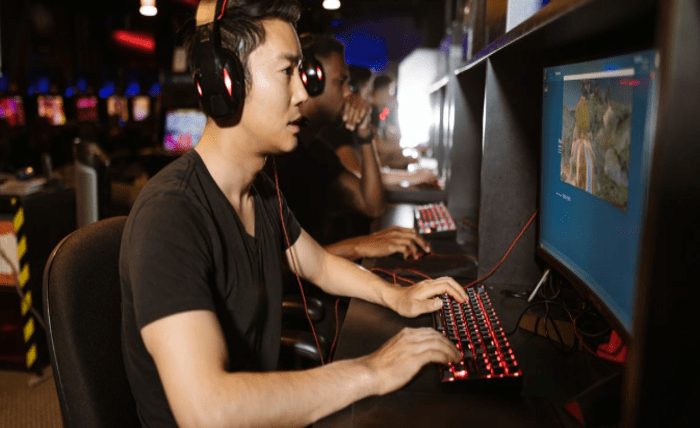
Why do some online games feel like a quick distraction while others pull people into lasting communities? The answer is not just better graphics or faster action. It is the social ecosystem around the game, where players talk, compete, teach, joke, and build habits together. Online gaming becomes powerful when it stops being a solo activity and starts working like a shared social space. Players log in to see friends, keep up with group routines, and take part in a culture that grows around the game itself. That social layer changes everything, affecting how people learn, how long they stay involved, and why certain games keep getting attention long after the first round of excitement fades. A game can have strong mechanics and still feel empty if no one talks about it. Social ecosystems add meaning by turning actions into shared experiences, making wins feel better when teammates celebrate and losses easier when the group can joke about them.
Online gaming becomes powerful when it stops being a solo activity and starts working like a shared social space. Players do not only log in to finish matches or collect rewards. They log in to see friends, keep up with group routines, and take part in a culture that grows around the game itself.
That social layer changes everything. It affects how people learn, how long they stay involved, and why certain games keep getting attention long after the first round of excitement fades.
Why Social Ecosystems Matter
The social side of online gaming gives players a reason to return beyond the basic rules of play.
More Than Just Playing
A game can have strong mechanics and still feel empty if no one talks about it. Social ecosystems add meaning by turning actions into shared experiences. A win feels better when teammates celebrate it. A loss feels easier when the group can joke about it and try again. That shared emotional layer makes the activity stick in memory.
Players also build routines around each other. They log on at the same time, check messages, and keep track of who is available. Over time, the game becomes part of a social schedule, not just a pastime. That routine is one reason online games can hold attention for months or even years.
Shared Identity And Belonging
People often stay active in online games because they feel known there. A player’s name, style, and habits become part of a group identity. Inside jokes, shared goals, and repeated teamwork create a sense of belonging that is hard to copy in other digital spaces.
This is also why communities can feel so strong around KEY4D and similar platforms. The social layer is not just background noise. It shapes how players relate to one another, how they talk about outcomes, and how they build trust through repeated interaction.
Communication Shapes The Experience
Talk is the glue that keeps online gaming communities active.
Fast Feedback And Coordination
Online games often depend on quick communication. Players share timing, warnings, and simple calls that help everyone stay aligned. Even in casual play, that back-and-forth creates a stronger sense of involvement than silent play ever could. It gives the game a social rhythm.
Communication also lowers the barrier for learning. New players can ask questions, get immediate answers, and improve faster than they would alone. That makes the space feel more open and less intimidating. When people feel safe asking for help, they stay longer and contribute more.
Conversation Builds Trust
Trust grows when players interact often and in predictable ways. A teammate who gives clear feedback, keeps promises, and stays calm during pressure earns respect. Over time, that trust spreads through the group and creates a healthier atmosphere.
Groups that talk well tend to recover from mistakes faster. Instead of turning every error into conflict, they treat it as part of the process. That does not mean everyone agrees all the time. It means the community has enough structure to handle disagreement without falling apart.
Competition And Cooperation Work Together
Online gaming feels strongest when rivalry and teamwork sit side by side.
Competition Gives People A Goal
Competition gives players a clear reason to improve. Rankings, scoreboards, and match results create feedback that is easy to understand. People can see progress, compare performance, and set personal targets. That sense of direction keeps the experience from feeling random.
But competition works best when it is tied to a community. Players are not only chasing numbers. They are trying to earn respect, prove skill, and measure themselves against others they know. That social context gives the competition more emotional weight.
Cooperation Keeps The Space Stable
While competition adds energy, cooperation keeps the social ecosystem healthy. Many games require players to support one another, share roles, and adapt to changing situations. That cooperation teaches patience and flexibility in a very direct way.
When people work together often, they learn each other’s strengths and weak spots. They stop treating teammates like random names on a screen and start seeing them as real partners. That shift is one reason online gaming can create strong, long-lasting social ties.
In some communities, even a KEY4D SLOT discussion can turn into a larger conversation about timing, risk, and group habits, because the social layer shapes how players interpret every result.
Community Culture Gives Games Staying Power
Culture is what turns a game into a social habit.
Inside Jokes And Shared Language
Every active gaming community develops its own language. Players shorten phrases, repeat common reactions, and build references that only regulars fully understand. That shared language creates a feeling of membership. It tells people they are part of something with its own rhythm and memory.
Inside jokes matter more than they may seem. They make the space feel human. They also help groups recover from stress, since humor can soften tension after a rough match or an unlucky result. That is a simple but powerful social tool.
Norms Shape Behavior
Communities also create unwritten rules. Some groups value teaching, some value speed, and some value calm play. Those norms influence how people act, what gets praised, and what gets ignored. A good social ecosystem makes expectations clear enough that players can fit in without guessing all the time.
When norms are healthy, people are more likely to stay respectful and helpful. When norms are weak, the space can feel chaotic and tiring. That is why the social culture around a game matters just as much as the game itself.
Learning Happens Faster In Groups
One of the biggest strengths of online gaming is how fast people learn from each other.
Watching Others Speeds Up Growth
Players learn by observing how others react in real time. They pick up timing, strategy, and common mistakes by watching teammates and opponents. That kind of learning is often faster than reading instructions alone because it happens in context.
It also feels less formal. A player can improve without sitting through a lesson. They just keep playing, asking questions, and adjusting based on what they see. That makes the learning process feel natural and social at the same time.
Mentorship Can Happen Organically
In active communities, experienced players often help newer ones without making a big deal out of it. They explain choices, point out patterns, and offer simple advice. This informal mentorship keeps people from feeling lost and helps the group grow in a steady way.
That kind of support also builds loyalty. People remember who helped them get started. Later, they often return the favor by helping someone else. Over time, the community becomes self-reinforcing.
Identity And Emotion Keep Players Connected
Online gaming is powerful because it connects play with personal identity.
People Bring Themselves Into The Game
Players do not leave their personalities behind when they log in. They bring humor, habits, mood, and social style into every interaction. Some people like leadership. Others like support roles. Some are quiet until they know the group. These patterns help shape how each person fits into the social system.
That fit matters because it gives people a place to belong. When a player feels recognized for who they are, the game becomes more than entertainment. It becomes a space where their choices and presence matter to others.
Emotion Makes Moments Stick
The strongest memories in online gaming are usually emotional ones. A close win, a funny mistake, a sudden comeback, or a kind message from another player can stay with someone for a long time. Those moments are powerful because they are shared, not private.
That emotional memory keeps communities alive. People return to relive good moments, rebuild friendships, and create new stories. The social ecosystem gives the game a history, and that history gives players a reason to care.
Why These Ecosystems Keep Growing
The social side of online gaming keeps expanding because people naturally look for connection.
Digital Spaces Can Feel Personal
Even though the interaction happens through screens, the relationships can feel real and personal. Regular contact, shared goals, and repeated teamwork create a sense of familiarity. That familiarity helps online gaming fit into daily life in a way that feels natural rather than forced.
As more people spend time in these spaces, the communities become richer. New players bring new styles, older players bring memory and structure, and the mix keeps changing. That constant interaction is what makes the social ecosystem so durable.
The Social Layer Is The Core
At its heart, online gaming is not only about rules, scores, or outcomes. It is about people building a shared space through play. The strongest games are often the ones where communication, identity, learning, and culture all work together.
That is why the social ecosystem matters so much. It turns a simple activity into a living community, and that community is what gives online gaming its lasting strength.